

Our Commitment to Environmental Sustainability
Our existence and business continuity is dependent on the ecosystems we inhabit. Preserving and nurturing our natural capital through a culture of responsibility, ethics and transparency therefore forms a non-negotiable component of our business strategy. Our Board-approved ESG policy and dedicated Board-level CSR & ESG Committee ensure responsible action and strong corporate governance, advancing our goals of long-term value creation and a sustainable planet.
SDG's Impacted


Material Priorities
- Governance and Risk Management
- Conduct and Ethical Practices
- Regulatory Compliance
Risks


Key emphasis on environmental projects help us to protect and restore the natural resources, creating a favourable impact in the areas of water conservation, lake restoration, waste reduction, tree plantation and reduction in GHG emissions.
CAMS continues to work with the Environmental Foundation of India (EFI), a wildlife conservation and habitat restoration group, which focusses on scientific revival of freshwater bodies through a community-based and collaborative conservation effort. It identifies the water bodies that get affected due to human negligence or contaminated due to human activity and works towards restoring them with the help of volunteers and by involving many more citizens through effective public outreach campaigns. The NGO has scientific collaborations with UNESCO-IHE in the Netherlands (www.un-ihe.org) which assists it with effective methods of restoration used to revive water bodies globally.
During the year, CAMS supported restoration of ponds and afforestation of trees in Tamil Nadu, Gujarat and Maharashtra.
Initiatives Undertaken During The Year
Partnership between CAMS and Environmentalist Foundation of India (EFI)
Conservation through scientifically-driven, community-centric interventions across India.
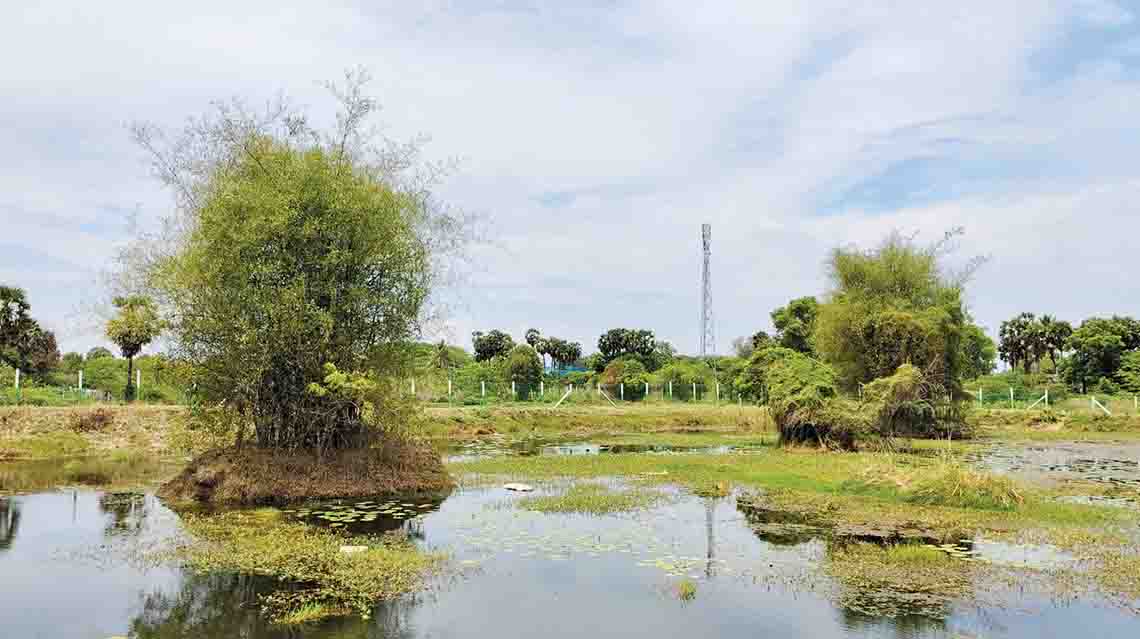
Initiated in 2021 with the restoration of Panayanthangal Lake in Tamil Nadu, the partnership laid a strong foundation in freshwater ecosystem revival. This approach was subsequently expanded to include key projects such as Karanipet Lake in Kanchipuram, the Chengalpet Medical College Lake, and the restoration of three ponds in Pandeswaram Village. Further strengthening regional water resilience, Periya Kuttai in Kelambakkam was revived to support peri-urban hydrology and groundwater recharge.
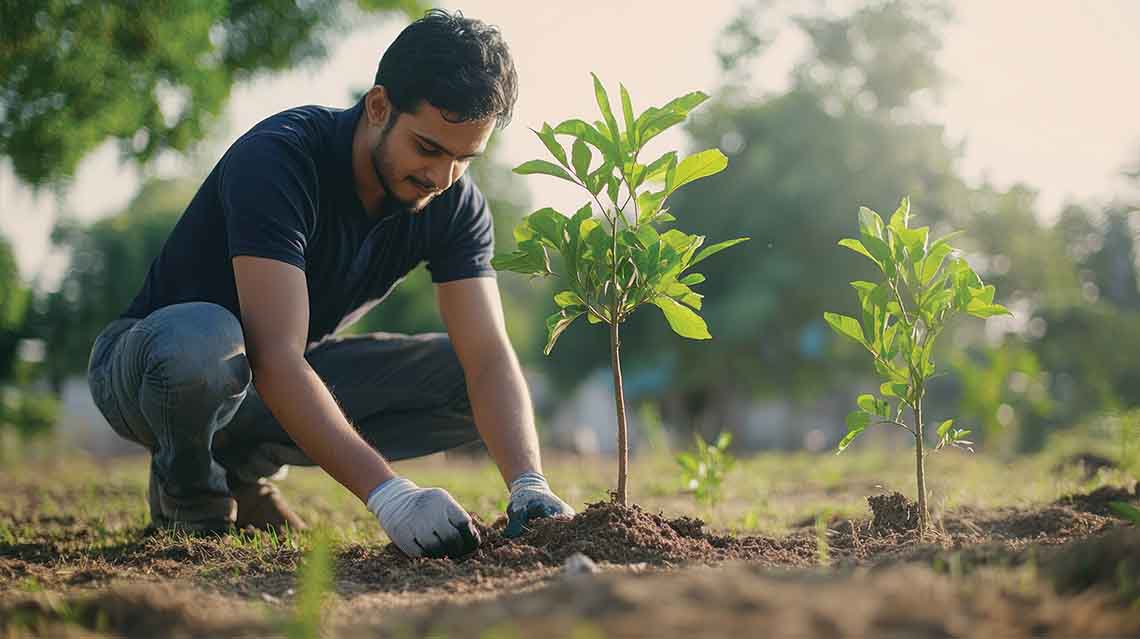
In parallel, the collaboration extended into urban afforestation and ecological restoration in Coimbatore, covering Jothi Nagar, Brindavan Garden, and Kalam Kuttai. These initiatives focussed on enhancing biodiversity, improving microclimates, and creating sustainable urban green spaces through the planting and nurturing of native species.
The partnership has since scaled geographically, with the restoration of Tarapur Deck Pond in Gandhinagar, Gujarat, and afforestation initiatives such as Godavan in Solapur and NagVan in Nagpur, Maharashtra – marking a transition toward a broader, pan-India environmental footprint.
Across all interventions, the partnership emphasises scientific restoration methodologies, biodiversity conservation, and community engagement, contributing to improved water security, climate resilience, and ecological balance. From revitalising water bodies to establishing urban forests, the CAMS–EFI collaboration continues to demonstrate the impact of aligned corporate and environmental stewardship in creating long-term, sustainable value.