
Forging Meaningful Connections, Building Trust
The relationships that we build with our stakeholders are intrinsic to our value creation process and major contributors to our credibility and trust. We continue to strengthen our Social and Relationship Capital by leveraging our capabilities, implementing responsible business practices, and fostering deeper, more meaningful connections with our customers, employees, distributors, regulators, investors, communities and shareholders.
SDG's Impacted


Material Priorities
- Client Relationships
- Conduct and Ethical Practices
Risks
_RISKS 1.svg)
_RISKS 2.svg)

A Customer-First Culture
Customers are at the heart of our organisation, inspiring us to augment our service standards and drive operational excellence. The following initiatives enable us to consistently engage with our clients and provide them a superior experience:
- State-of-the-art proprietary and digital platforms for seamless, round-the-clock access and management of financial investments
- Annual customer feedback survey providing insights into customer's changing aspirations
- Based on survey insights, internal processes and customer strategy are modified for improved experience across the consumer lifecycle
Proactively Resolving Investor Concerns
Our commitment to customer satisfaction is reinforced by an effective grievance redressal mechanism, featuring fund-wise grievance reporting, multi-channel complaint registration, and a structured escalation process.
Structured grievance redressal mechanism
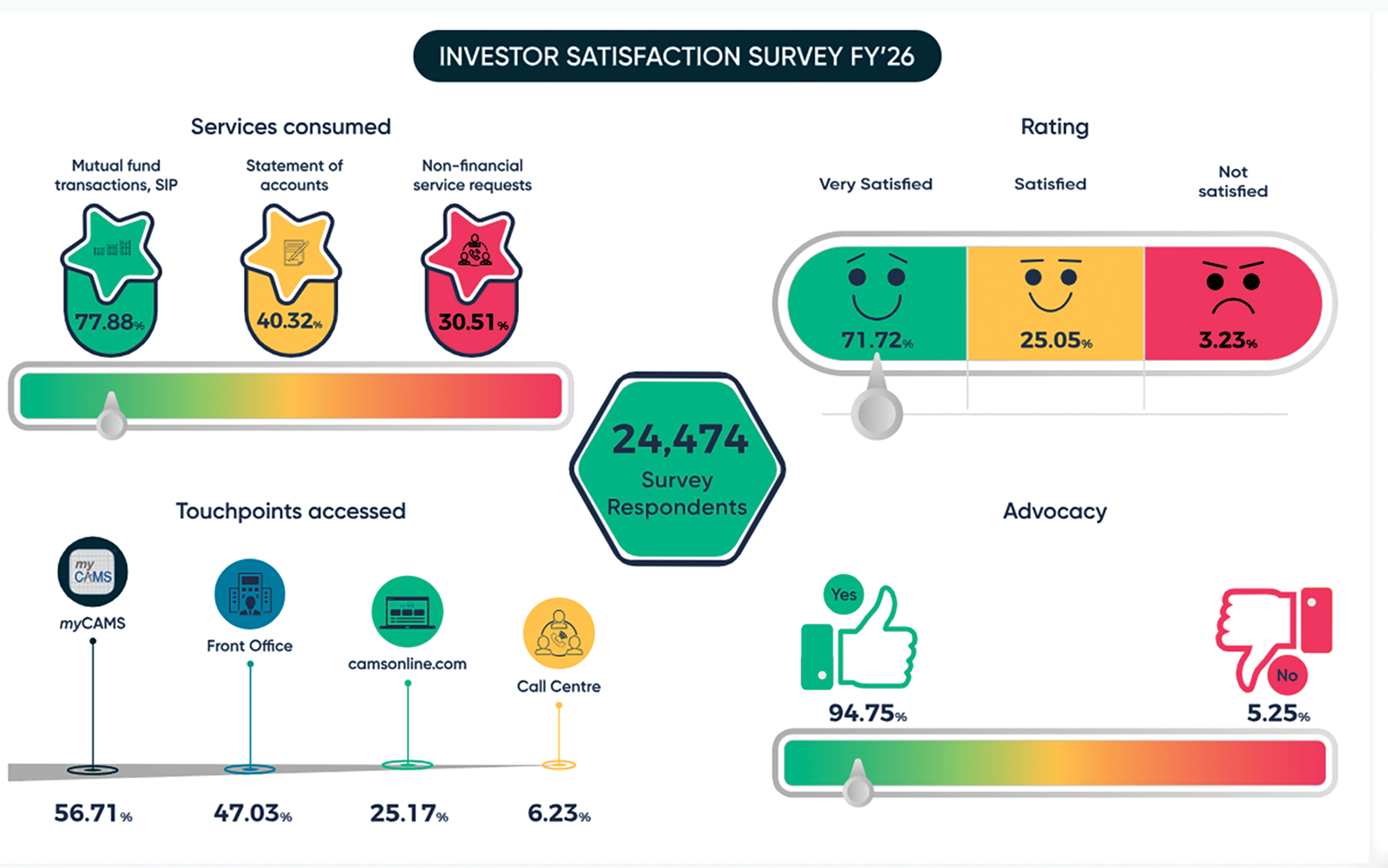
Investor Satisfaction Survey FY 2025-26
Resolving Employee Grievance
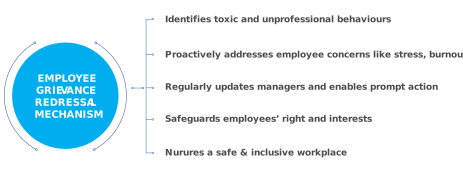
A robust employee grievance redressal mechanism safeguards the rights and well-being of our employees, ensuring our work environment remains fair, transparent, inclusive and encouraging — aligned with our promise to empower our people.
Distributor Empowerment Programme
Keeping distributors in the loop and sharing latest industry updates with them continued to remain a key focus this year, powered by various engagement events and strategic platforms. Topics of discussion included the evolving role of AI in investor conversations, productivity and trust-led scale.
Stronger Communities. Healthier Planet.
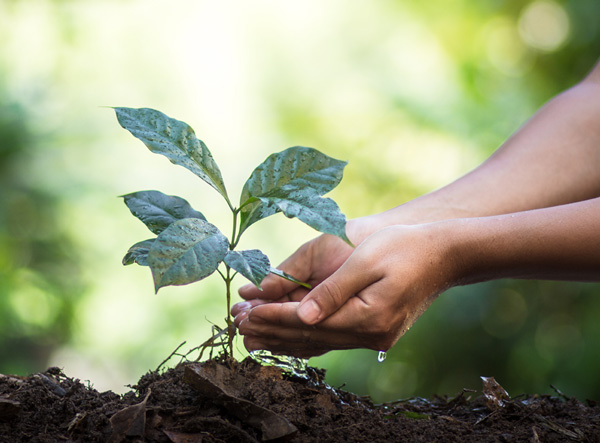
We strongly believe in giving back – our commitment to community development and environmental conservation being an inseparable part of our corporate identity. By integrating sustainability into our daily practices and investing in societal welfare, we are creating enduring shared value and building a better world for the future generations.
Care of the Environment
Cognisant of the limited nature of our natural resources and the urgent need to preserve our planet and its precious ecosystem, multiple eco-friendly practices and initiatives have been implemented by CAMS across roles and locations. Some of these include:
Empowering through education
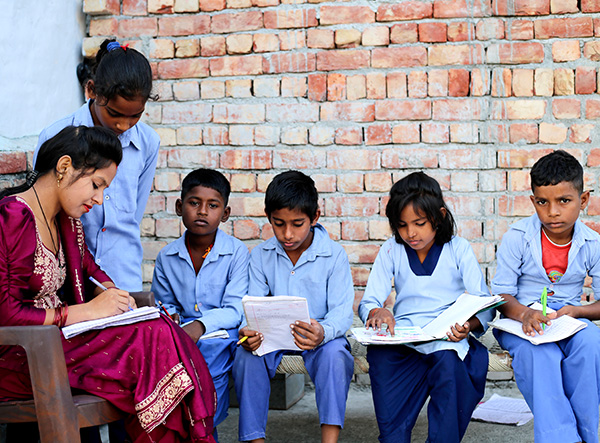
Inspired by this thought, we are providing early learning opportunities through education and vocational training to the underprivileged children in rural India. Our initiatives aim to open the doors to equal opportunities for the vulnerable populations, empowering them to redefine their identity and uplift their homes.
Education is the most powerful weapon which you can use to change the world.
— Nelson Mandela

Access to healthcare
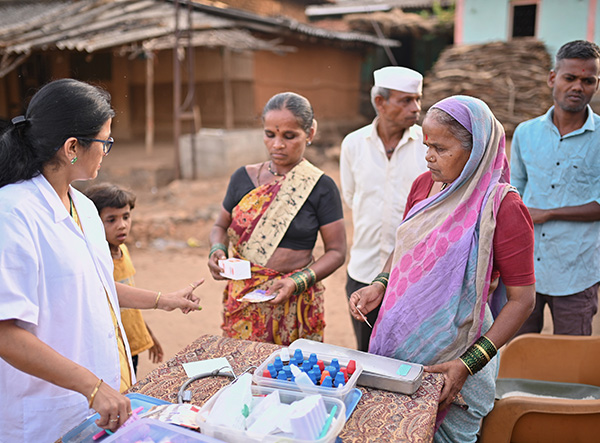
Rural India, especially the weaker economic sections, is challenged by poor healthcare access, causing delayed diagnosis, poor disease management, and severe economic burden. CAMS, in its endeavour to support these communities and bridge the healthcare divide, undertakes various healthcare initiatives. These initiatives provide better and more affordable access to primary healthcare to the marginalised communities across various locations.
CSR Initiatives
CAMS is dedicated to building an inclusive and resilient world. To ensure this, our CSR initiatives are focussed on empowering the underprivileged children, women and societies by providing them sustainable opportunities for education, skill development and livelihoods. Healthcare and plantation drives further ensure that our people enjoy better well-being, healthier living conditions, and a greener, more sustainable future.
₹9.94 Crore
Total CSR Spends in FY 2025-26
Indian Institute of Technology Fintech Innovation Lab
The CAMS IITM Fintech Innovation Lab (CIFIL) is an initiative by the Department of Management Studies and Department of Computer Science & Engineering, IITM to set up a lab for R&D in the area of Fintech. The lab aims to enable the researchers to devote time to interdisciplinary challenges, thereby establishing IITM as a thought leader and knowledge powerhouse in this domain and collaborating with the industry to develop relevant fintech solutions. Other than focussing on futuristic advancements in financial technology, the Lab would also engage in activities to increase the adoption and implementation of these technologies throughout India and abroad.
CIFIL was created as a part of contribution to the Indian Institute of Technology, Madras to set up a centre of the Excellence for research related to fintech industry for championing the adoption of best practices in industrial applications and fostering a climate of entrepreneurship to exploit and accelerate Fintech-related innovation. The lab was inaugurated by Ms. Nirmala Sitharaman, Hon. Finance Minister, Government of India, in December 2022 and has completed four years of operations. CIFIL has carried out various industry-based and faculty/students-led projects and is also involved in Fintech Research.
Eureka Education Foundation/Chudar
Eureka Education Foundation, run by an alumni/former faculty of IIT Madras, conceptualises and implements large-scale programs to improve access and quality of education amongst underprivileged children. Aiming to mitigate the persistent challenge of low student competencies and widespread learning gaps, commonly prevalent in children from economically weaker sections, the Foundation runs after-school centres for poor children in Chennai's slums and rural areas. The school curriculum and methodologies are aligned with the state board curriculum, with focus on key concepts and skill development to ensure relevance and drive maximum impact.
Support by CAMS:
Aligned with its CSR focus on education, CAMS enables smooth functioning of after-school centres in the urban slums of Mandaveli, Teynampet, and Saidapet in Chennai. Other than this, after-school centres across 30 villages in Tiruvannamalai district and 10 villages in Chengalpattu district also receive extensive support from the organisation. The initiative benefited approximately 1,300+ students who enrolled in these centres.
Impact Story
More than 99% kids are enrolled in school but a majority lag behind on educational outcomes (ASER survey), especially those belonging from economically-backward backgrounds, who are usually firstgeneration learners.
Chudar, a non-profit organisation, aims to address this gap and provide quality education for underprivileged children, backed by its decade-long experience, subject-matter expertise, and extensive geographical reach.
Chudar, in Tamil, means brilliance. Through the Foundation, we strive to help children from disadvantaged families to shine with brilliance and build a better future for themselves and their families.
The National Means-cum-Merit Scholarship (NMMS) examination is a highly competitive Government of India scholarship examination conducted for Class 8 students studying in government schools. For many children from economically disadvantaged backgrounds, NMMS becomes one of the earliest major competitive examinations in their academic journey. Students who qualify receive financial scholarship support from Class 9 onwards, which helps reduce school dropouts and encourages continuation of secondary education.
Over the years, Chudar’s various education interventions have supported government-school children from underserved rural and urban communities through structured learning support in English, Maths, and Science. So far, 69 students have qualified for the NMMS scholarship examination, securing significant financial support for their secondary education.

Vision
To ensure that every child passing out of school has the requisite knowledge, skills, and confidence to face the future, both in school and beyond.

Mission
To work to improve learning outcomes in English, Maths and Science for children studying in government elementary schools.
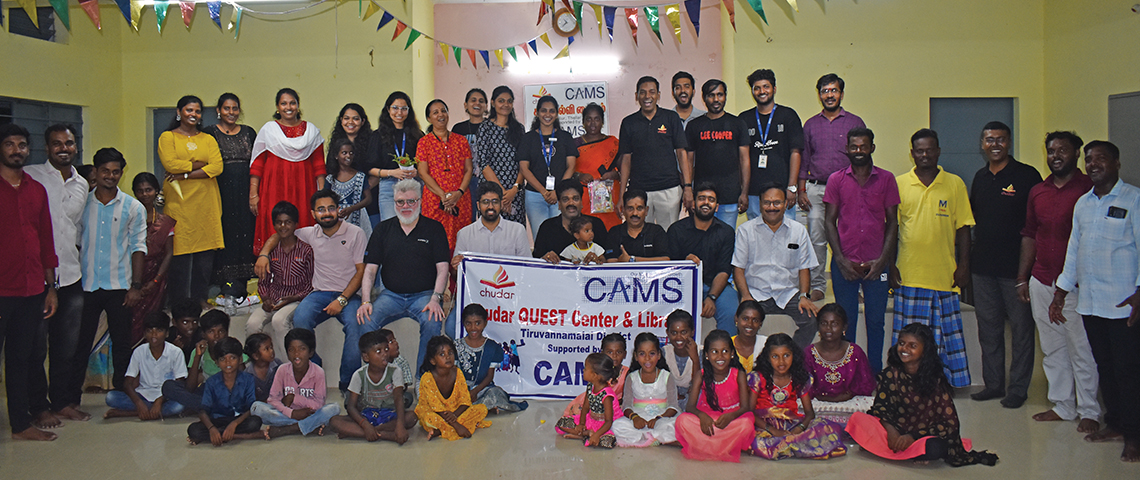
Chudar Quest
We strongly believe in every child's ability to learn under the right guidance, supported by a strong support system and an amicable environment. Inspired by this, and recognising the importance of early learning for holistic development and superior outcomes, we initiated Chudar Quest, in partnership with CAMS.
5 Years of Transforming Futures Together
Over the last five years, the Chudar QUEST programme, with support from CAMS, has transformed the educational landscape for government school children in Tamil Nadu. By providing community-based after-school support, focussing on English, Mathematics, and Science, the programme has successfully reached 7,362 children across 5 districts, growing to 43 communities by 2025-26.
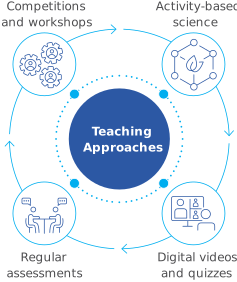
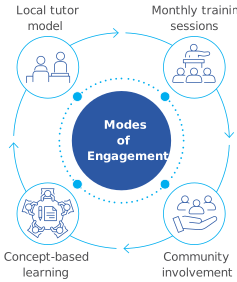
The school curriculum and methodologies are aligned with the state board curriculum, with focus on key concepts and skill development to ensure relevance and drive maximum impact. By adopting a structured teaching methodology and diverse engagement strategies, the programme is significantly improving learning outcomes within poor children and contributing to their scholarship success.
The after-school centres are primarily run in Chennai's slums and rural areas, with community participation from Chennai, Chengelpattu, and Tiruvannamalai (including tribal communities).
Consistently Advancing our Impact
What initially began as a small-scale programme in 2021 has expanded to an extensive education platform, covering and empowering an increasing number of students from marginalised communities.
Evolving beyond a pure-play learning model, Chudar Quest now incorporates structured assessments, has established new centres for tribal education, and has successfully implemented a pilot programme for primary education. Keeping pace with the changing education needs, the teaching methodology has also transitioned from remote learning and limited interaction to fullfledged activity-based classroom sessions with focus on critical thinking and application-based learning.
Looking Ahead
The progress made in the last 5 years is significant. However, with limited time available after school, children are being restricted from unlocking their full potential and achieving best learning outcomes. Moreover, the need for a differentiated model in urban areas is being increasingly felt, given the on-ground situation of communities residing there.
To address this gap, a 3-year long in-school education intervention is being planned. The program will allow direct and longer hours of classroom interaction with the underprivileged children during school hours. The enhancement is expected to strengthen foundational learning by engaging students early in their learning journey, thereby equipping them with greater skills and confidence to face the future. Under this:
- Quality education will be provided to 2,250 children via in-school & after-school Centres
- The programme will cover 35 villages and up to 50 government schools in Chennai, Chengalpattu, and Tiruvannamalai districts in Tamil Nadu
- Components like libraries covering primary school children in villages and skill-building shall also be introduced
- Will involve parents and community leaders in a child's learning journey
- Children will be supported to qualify for scholarships like NMMS
- Better learning outcomes are expected to result in better Board exam performance
- Ensure increased confidence within children after high-school
The foundation provides free eye care support and facilitates eye surgery for patients from underprivileged backgrounds, helping them to deal with the challenges arising from impaired vision and disabling eye conditions like cataract.
Since most patients are daily wage earners, problems in vision may prevent them from working, causing livelihood loss and making them financially dependent on their immediate family. The initiative serves as a life-changing intervention for the beneficiaries, protecting them against vision-related challenges and impending financial hardships.
Support by CAMS:
During the year, CAMS supported 57 camps conducted by Occupational Optometry Services in different parts of Tamil Nadu, Kerala and West Bengal. More than 5,000 unorganised sector workers benefited from the services. Among these workers, about 4,000 were prescribed new glasses, which also includes refractive safety eyewear, tints and coatings, to manage various occupational hazards.
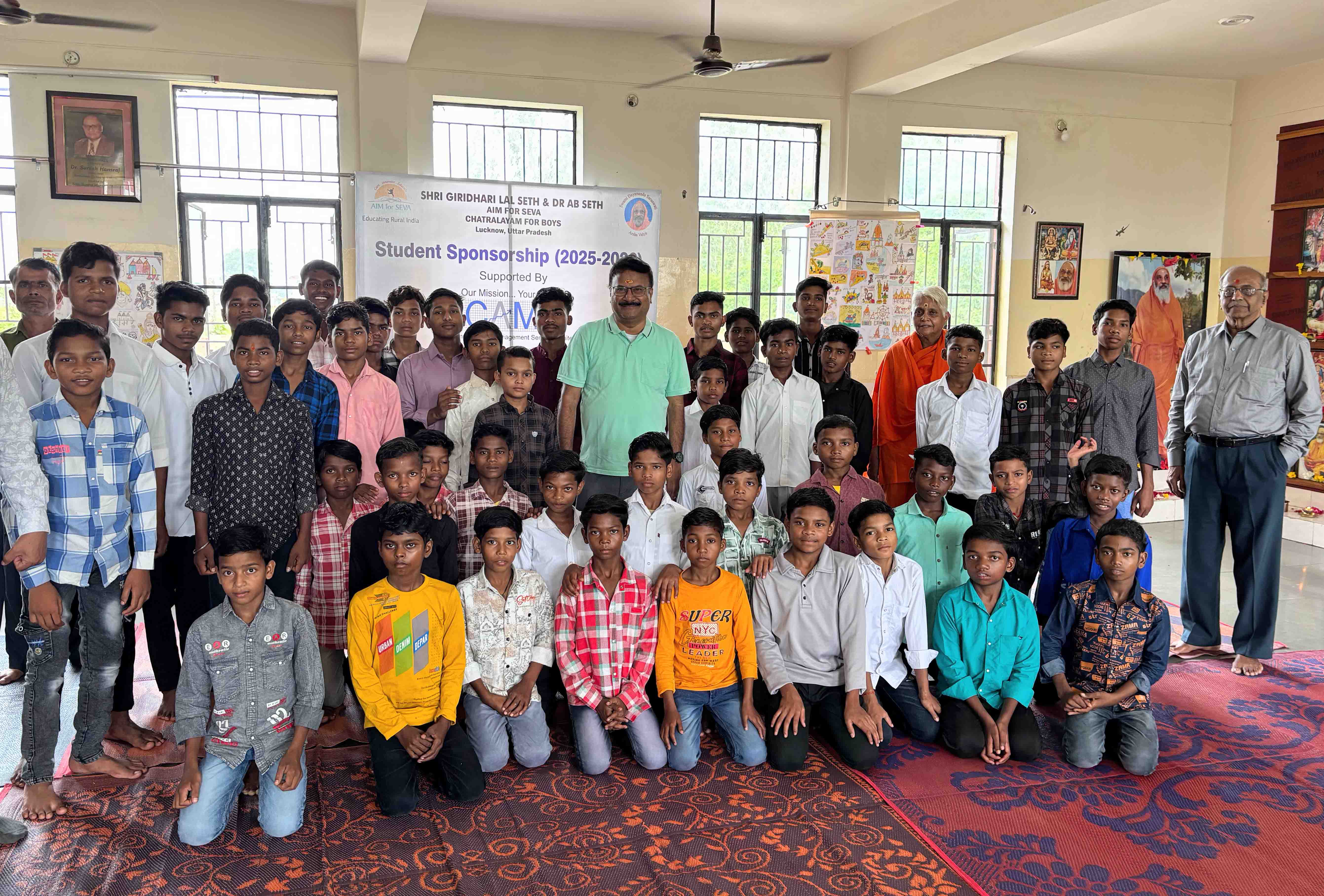
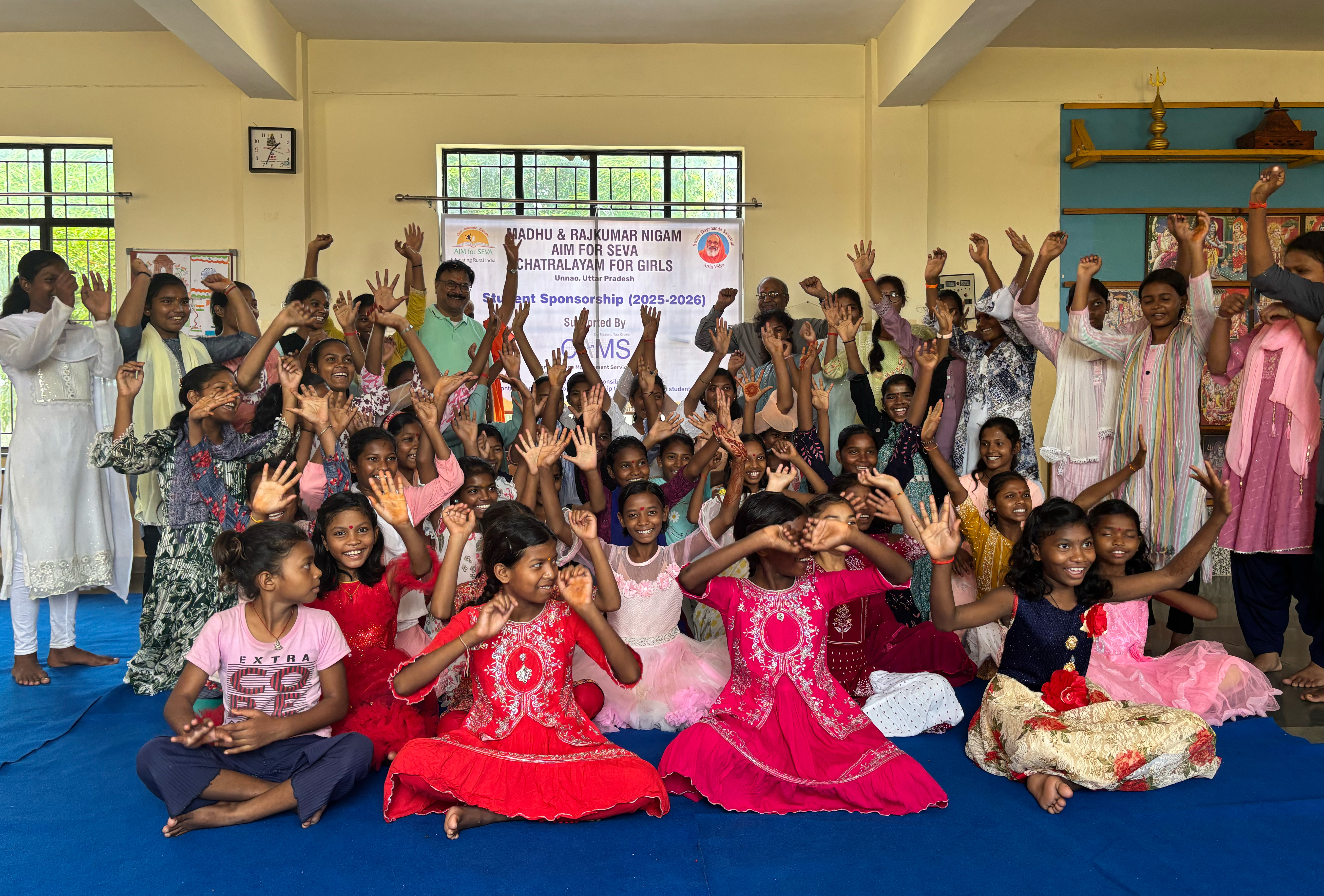
AIM for Seva is a registered, pan-India non-profit charitable trust formed with the principle objective to empower rural and tribal children in India through education, powered by an innovative concept – Free Student Home. Apart from enabling easy access to school and providing shelter, food and clothing, Free Student Home also imparts value education, teaches life and IT skills, and conducts extra-curricular activities for these children.
Besides educating rural India, the institution also provides employment to students coming from the hinterlands. Growing in scope and scale, the projects now span 16 states, with focus on rural education, community development, healthcare, Vedic studies, and support for special kids and differently-abled adults.
Support by CAMS:
During the year, CAMS supported 100 student beneficiaries from Tamil Nadu and Uttar Pradesh under the Free Student Home initiative. Their food expenses, educational expenditure, and cost of books and uniforms were borne by CAMS.
eVidyaloka Trust aspires to provide quality education to rural children in the age group of 10-14 years by leveraging the power of technology to connect them with passionate teachers across the world. Following a pre-set curriculum imparted through live video classes by volunteering teachers to students of government elementary schools (6th to 8th grade), the initiative is focussed at addressing the education gap and disparities identified by the District Information System for Education (DISE)- Annual Status of Education Report.
Support by CAMS:
CAMS continued to support the eVidyaloka Digital Classroom Program in FY 2025-26, helping the Trust to conduct regular online sessions in 18 schools across Tamil Nadu, Maharashtra, Jharkhand, and Gujarat.
A total of 2,278 students benefited under this program. The classes were conducted with assistance from 60+ volunteer teachers. Additionally, different activities and celebrations were also organised in the centres.
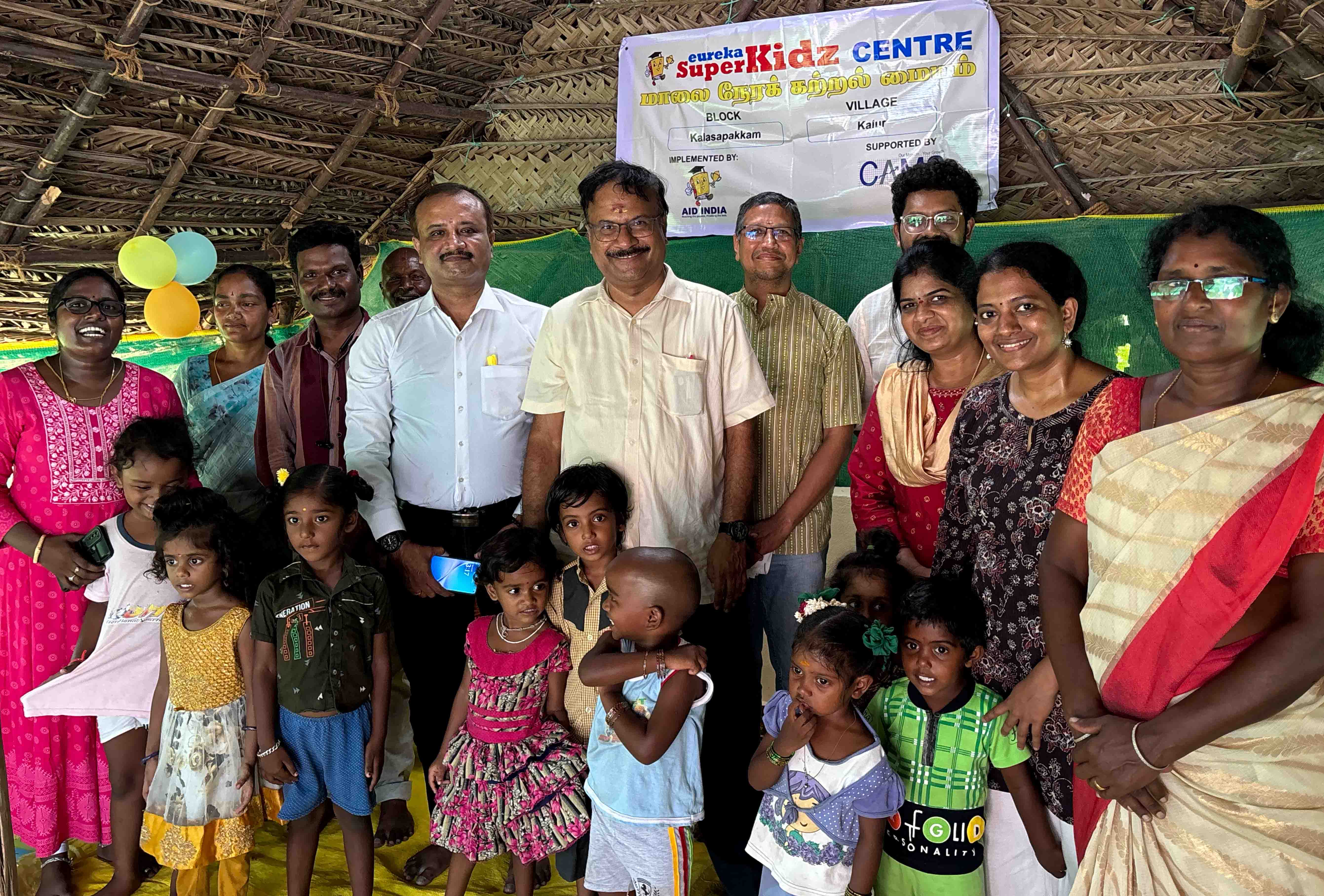
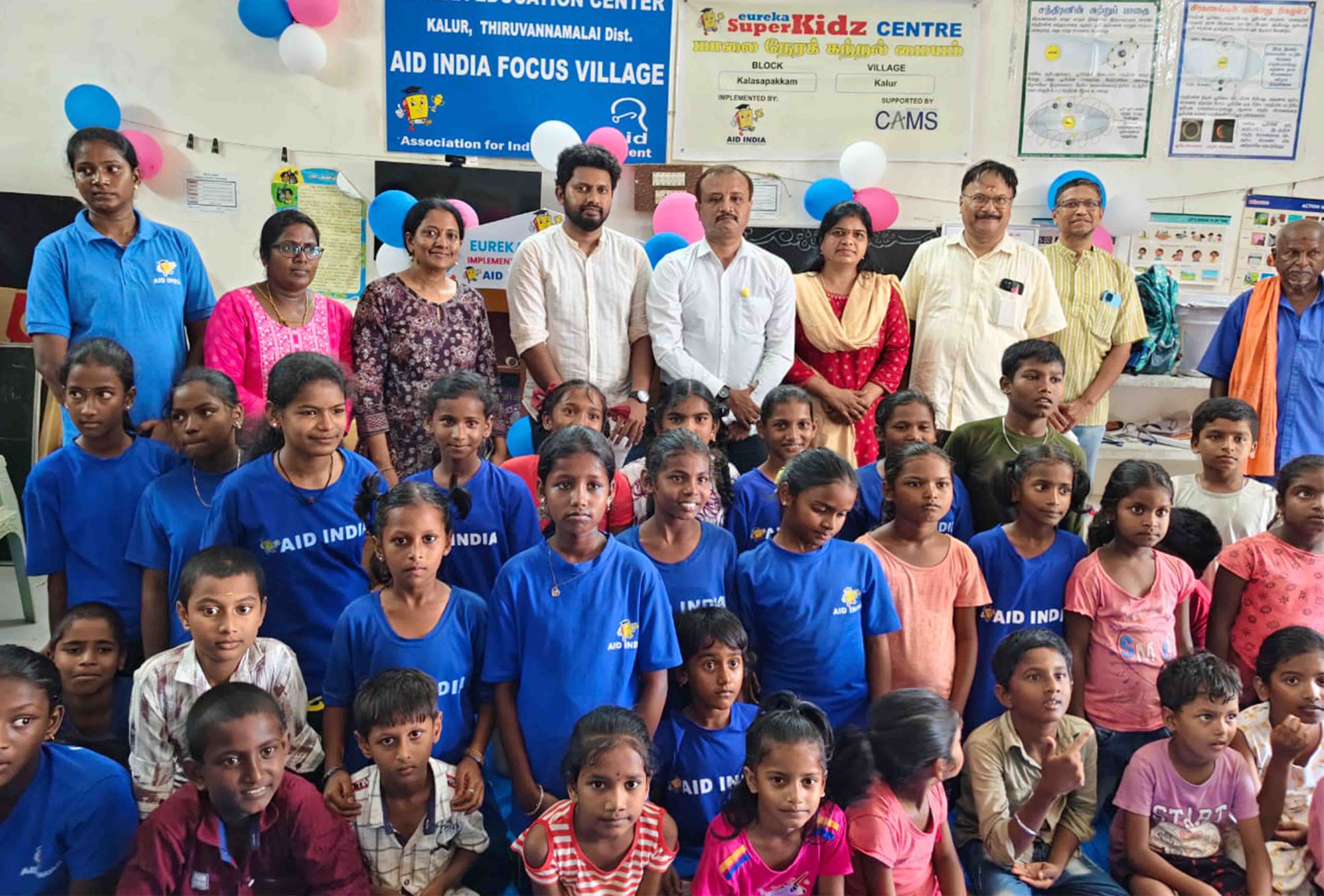
AID India is a trust founded by a group of like-minded alumni from premier institutions who quit their corporate careers to focus on issues of development. The trust's vision is to empower the marginalised communities to break free from the cycle of generational poverty and become self-reliant by providing support for quality education, healthcare, and shelter.
AID India offers Eureka After-School Village Program which aims to create a replicable and sustainable model focussed on improving learning outcomes within underprivileged children. The program measures children's learning levels, provides inputs based on their individual learning needs, and brings about a visible improvement in their learning outcomes. The program integrates strong parent engagement and community participation to ensure local accountability and longterm sustainability.
Support by CAMS:
In FY 2025-26, the Company supported 15 Eureka Focus Villages and created provisions for morning classes & library, early childhood education, tinkering lab, (handson science experiments with local mechanics, electricians, and repairers to make learning exciting), sports & self-defence, and tree club and kitchen garden within them.
'Soulfree', a public charitable trust, helps severely disabled people live a life of dignity and purpose. With a primary focus on fulfilling the needs of disabled rural women, especially those affected due to spinal cord injury, the Trust provides dedicated support for medical care, rehabilitation, education, employment, societal acceptance and integration, government assistance, and long-term care facilities, thus serving as a reliable support system for them.
Support by CAMS:
CAMS supported the operational cost of the medical centre during the year.
Sarthak Foundation started with the belief that no child should be left behind for being born into economic and social disadvantage. With a vision to raise 'Happy Empowered Children', it reaches out to disadvantaged children and supports in making them self-sustainable and break the shackles of abject poverty through education, socio-emotional strengthening, and skill development.
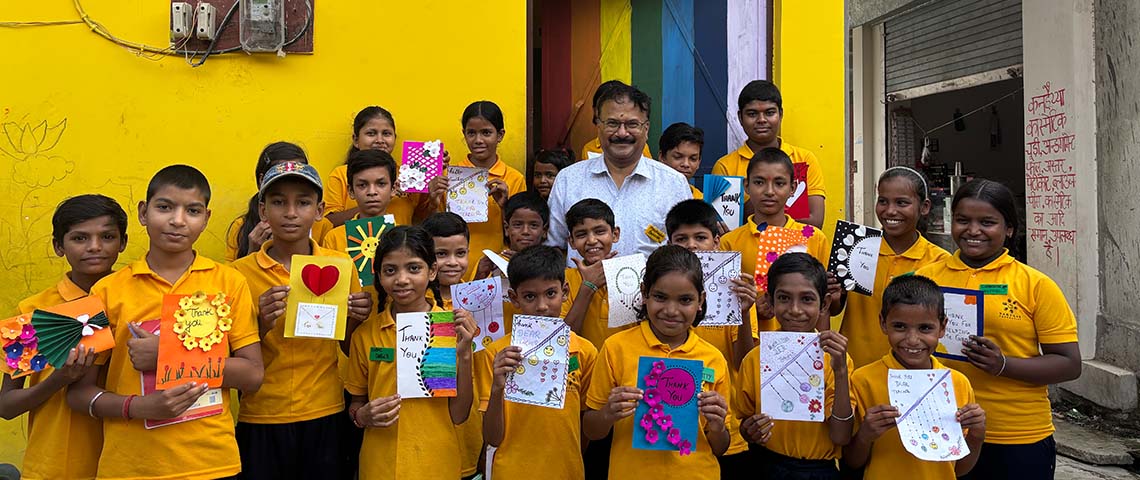
Taking an innovative approach to realise this vision, the Foundation establishes permanent safe spaces called 'Yellow Rooms' in the heart of urban slums and rural poor communities. Each 'Yellow Rooms' setup comprises two rooms painted bright yellow. Two permanent educators are placed within them, each devoting 6 hours every day, all year round, for several years to children from marginalised backgrounds – transforming them into confident, educated and aspiring young adults.
Support by CAMS:
In FY 2025-26, CAMS helped in setting up/running Seven 'Yellow Rooms' or classrooms for children from marginalised backgrounds under the project.
Arvind Foundation is working towards benefiting underprivileged children with special needs, challenged by health conditions such as ADHD, ADD, down's syndrome, muscular dystrophy, mental retardation, epilepsy, hydrocephalus, microcephalus, spina bifida, chromosomal disorder, neurological disorder, dyslexia etc. Facilitated by its six centres, the foundation focusses on prevention, early intervention, rehabilitation, and inclusion of these children and caters to their individual needs through personalised therapy and training. Curative education, which nourishes their soul and builds hope and trust within them, is also provided under the initiative.
Support by CAMS:
During the year, comprehensive support was provided by CAMS to one of the centres operated by Arvind Foundation.
ANEW is an NGO committed to the cause of upliftment of underprivileged women, most of whom are first generation college goers, providing them with free of cost non-traditional skills training and placement opportunities to become financially independent.
Deserving women candidates are referred by colleges and shortlisted by the foundation based on various criteria after which they are enrolled for a 3-months basic course in computers. Relevant communication skills, soft skills, and employability skills are also taught to them. Most beneficiaries are immediately employed by corporates and a few are hired by CAMS.
Support by CAMS:
CAMS supported 200 students to learn basic computer skills, Tally and accounting, and Python programming during the financial year 2025-26. Training for all courses was completed as scheduled and course completion certificates were awarded to students upon successfully passing relevant exams.
She and India (SAI) Foundation is focussing on the healthcare needs of the rural population of India, especially the rural women & girls of Maharashtra. The Foundation is based in Latur and has worked in many surrounding regions of Marathwada. The project involves conducting health camps at Udgir, a Taluk located in the Latur district of Maharashtra. Udgir, having a total population of about 3 Lakhs, is served by less than 50 medical professionals and has only 1 sub-district hospital.
The health camps focussed on the screening and early detection of diseases such as diabetes, hypertension, and oral cancer through a dedicated and trained team. The initiative also ensured management of all suspected and positive cases as per standard protocol, along with appropriate referrals, follow-ups, and allotment of Health Report Card.
Support by CAMS:
During the year, 18 camps were conducted benefiting about 4,250 women. Additionally, flood relief operations in the region were also supported by CAMS.
ANANDAM is a charitable trust that runs an old-age home dedicated to the care and support of senior citizens bereft of living children and source of income. The trust also runs a free Anandam Medical Care Centre to cater to the economically weaker population in and around Kallikuppam near Chennai.
Support by CAMS:
CAMS funded a part of the cost of the medical centre, providing healthcare benefits to the residents of the remote village of Kallikuppam.
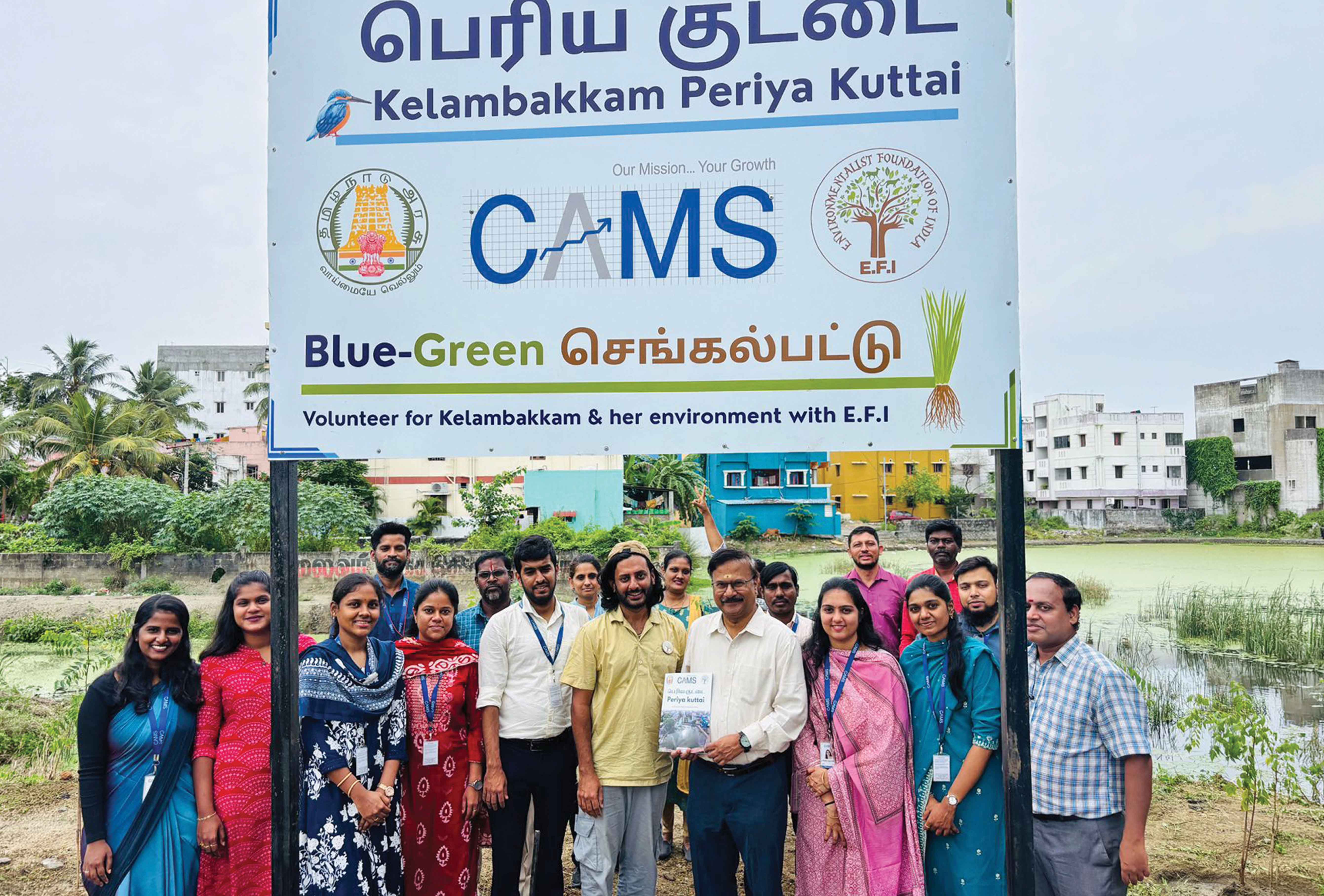
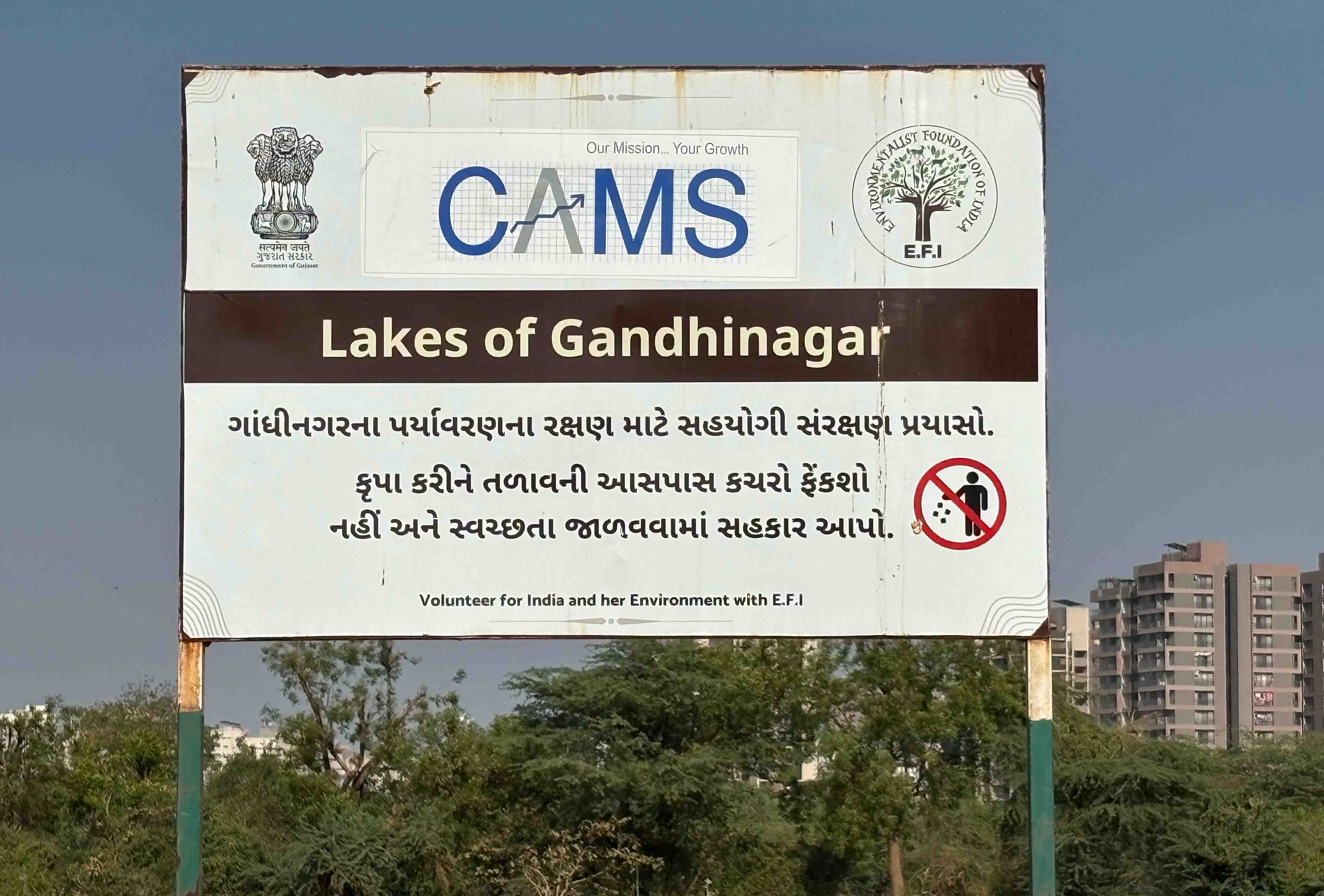
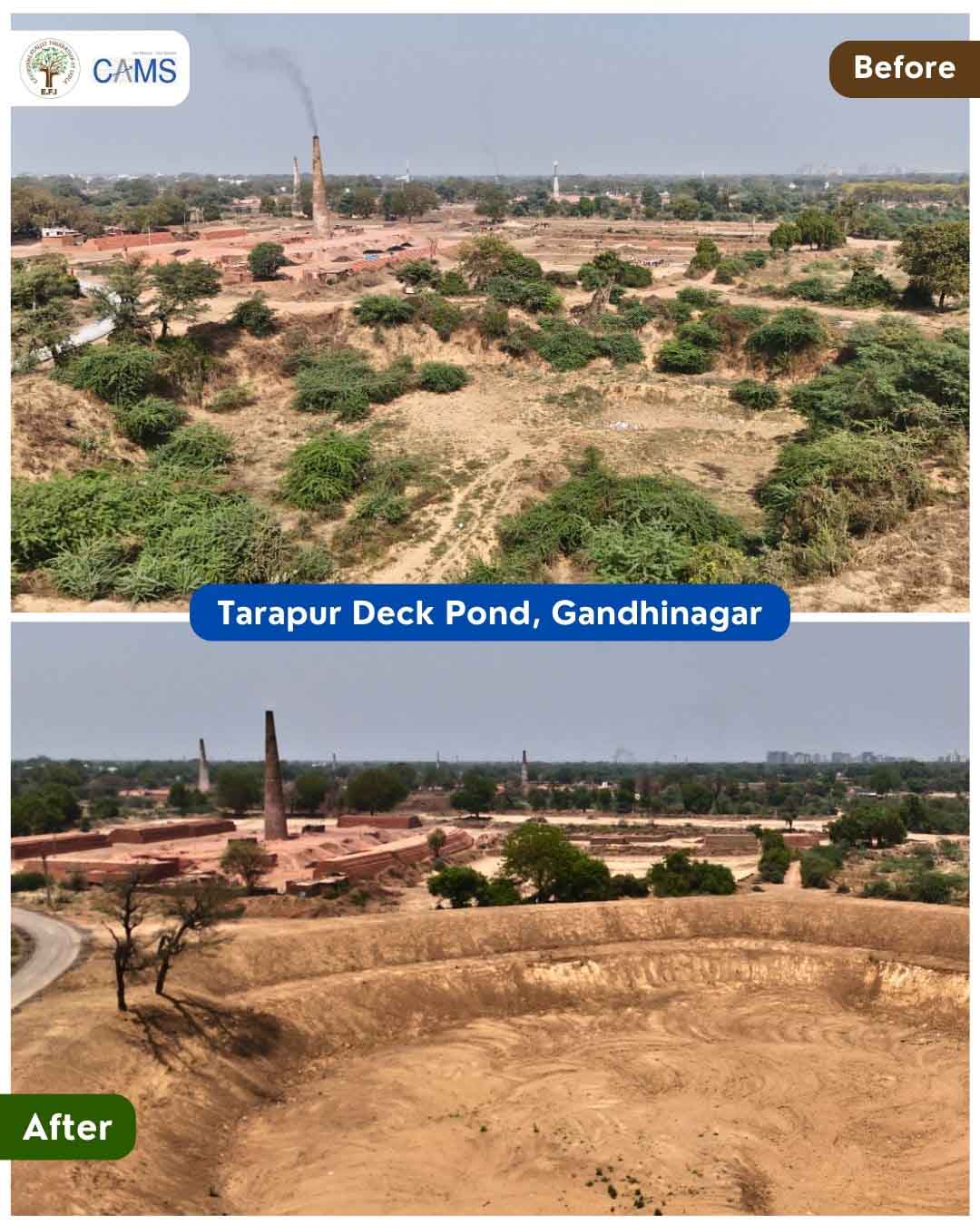
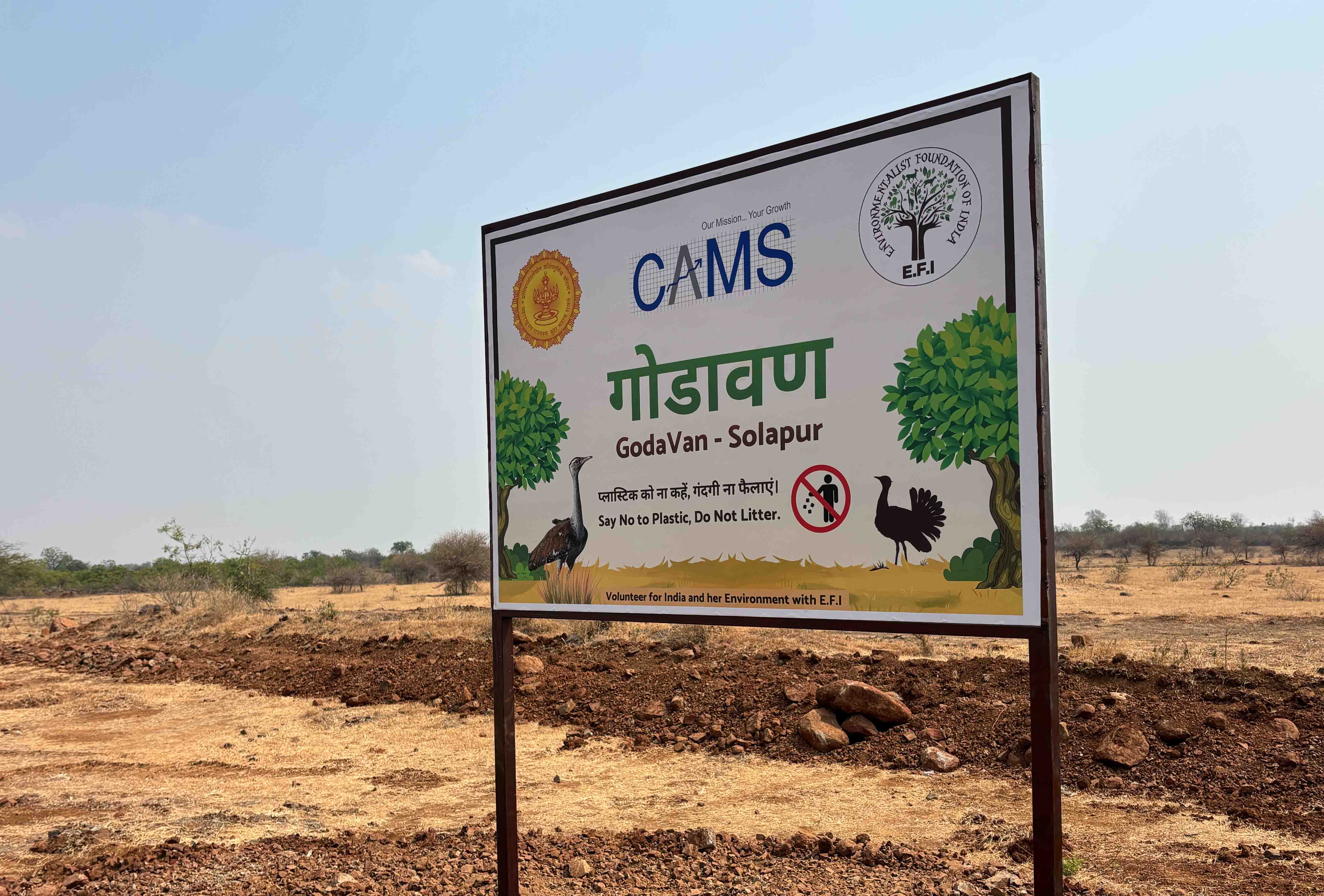
We collaborated with the Environmental Foundation of India (EFI), a wildlife conservation and habitat restoration group, which focusses on scientific revival of freshwater bodies through a community-based and collaborative conservation effort. It identifies the water bodies that get affected due to human negligence or contaminated due to human activity and works towards restoring them with the help of volunteers and by involving many more citizens through effective public outreach campaigns. The NGO has scientific collaborations with UNESCO-IHE in the Netherlands which assists it with effective methods of restoration used to revive water bodies globally.
Support by CAMS:
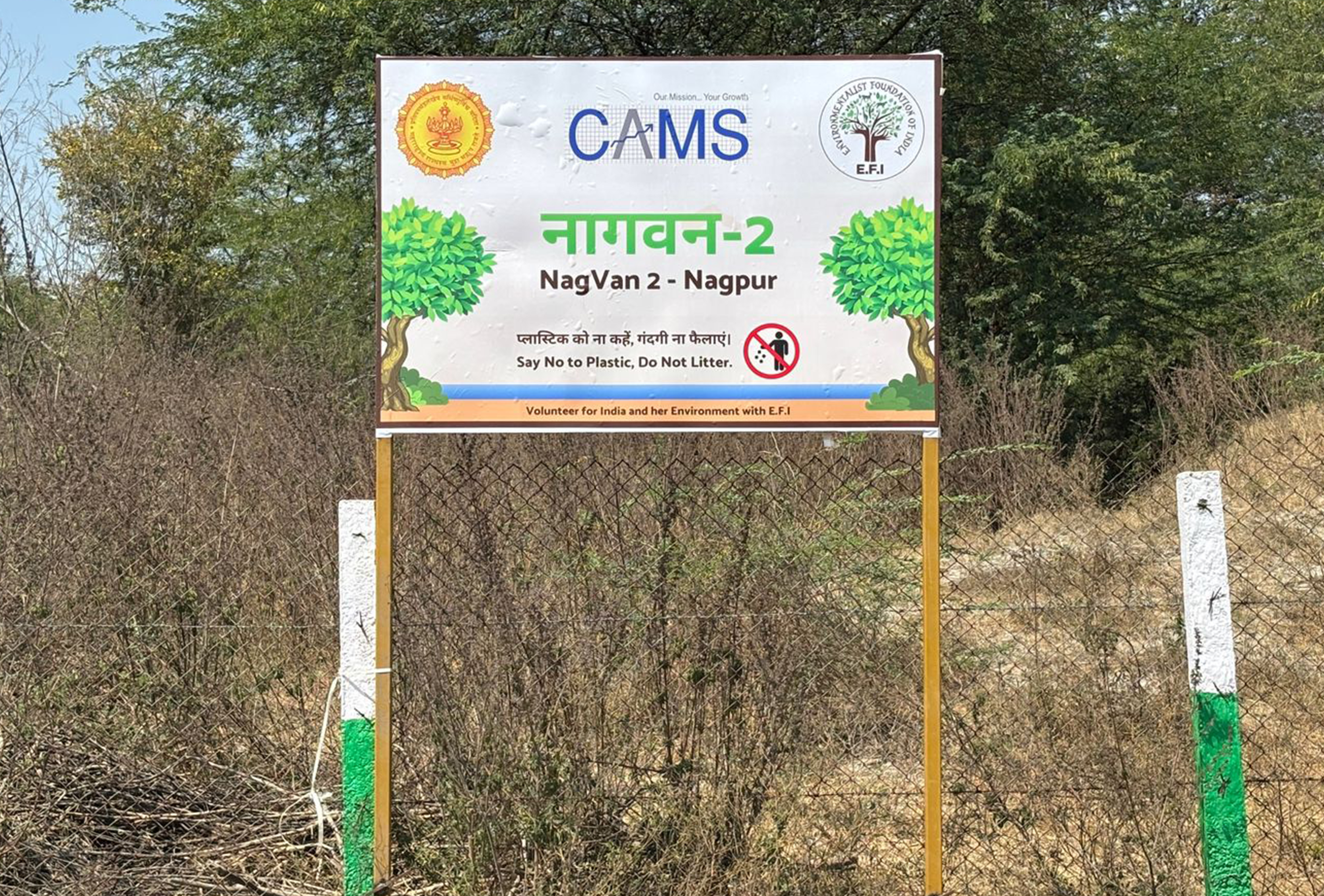
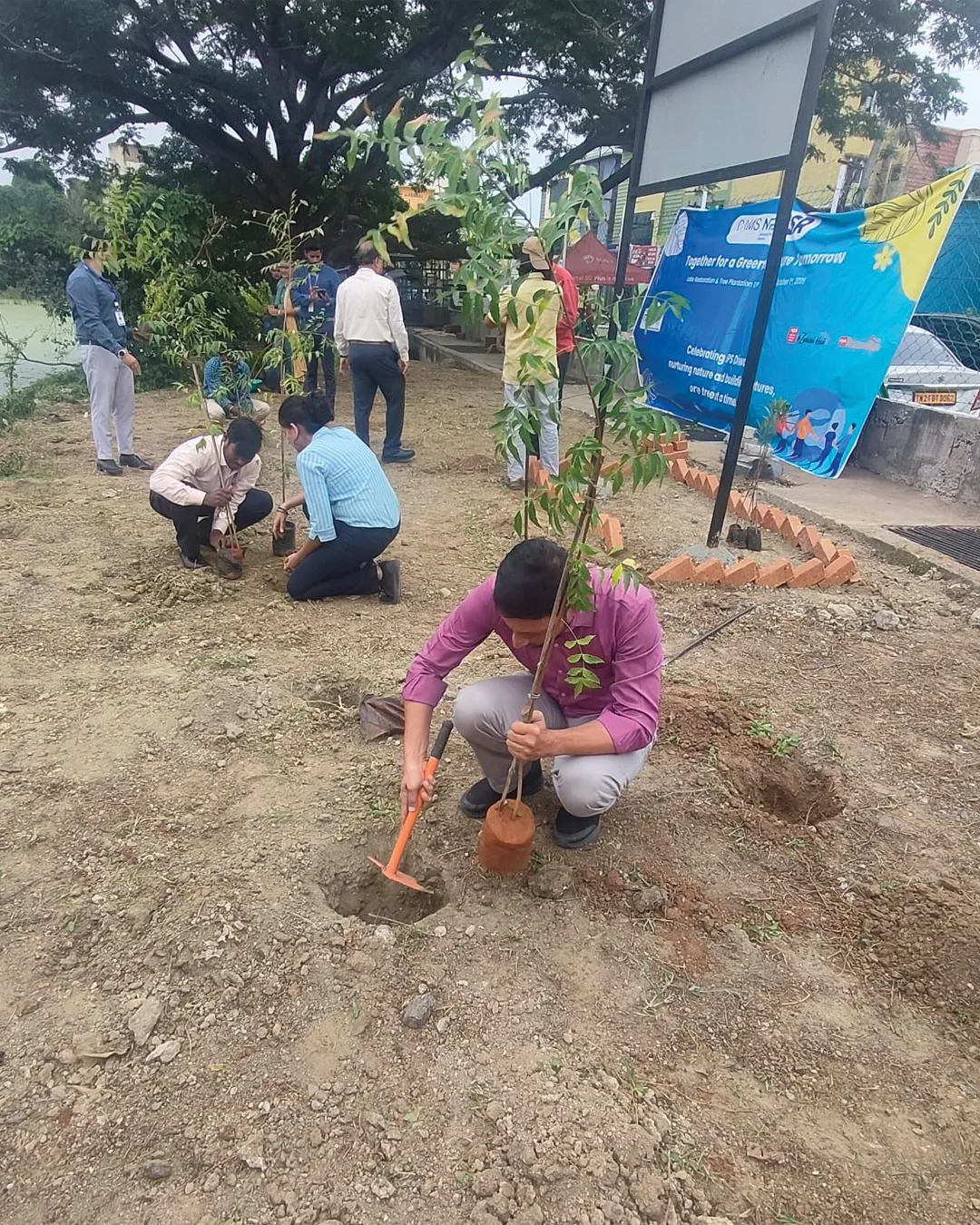
During the year, CAMS supported restoration of 2 ponds - one in Chennai and another in Gandhinagar, Gujarat. It also supported afforestation with the plantation of 13,000+ trees in Solapur and Nagpur, Maharashtra.